Aluminium Windows For Your Leicestershire Home
Are you thinking about installing aluminium windows as part of your Leicestershire home improvement project?
Upgrading your windows is an investment that balances practicality and beauty, and aluminium has become one of the most desirable materials among homeowners and architects alike.
In this guide, we’ll explore everything you need to know, from the benefits and energy efficiency to cost considerations and how aluminium compares with alternatives like uPVC.
What is an Aluminium Window?
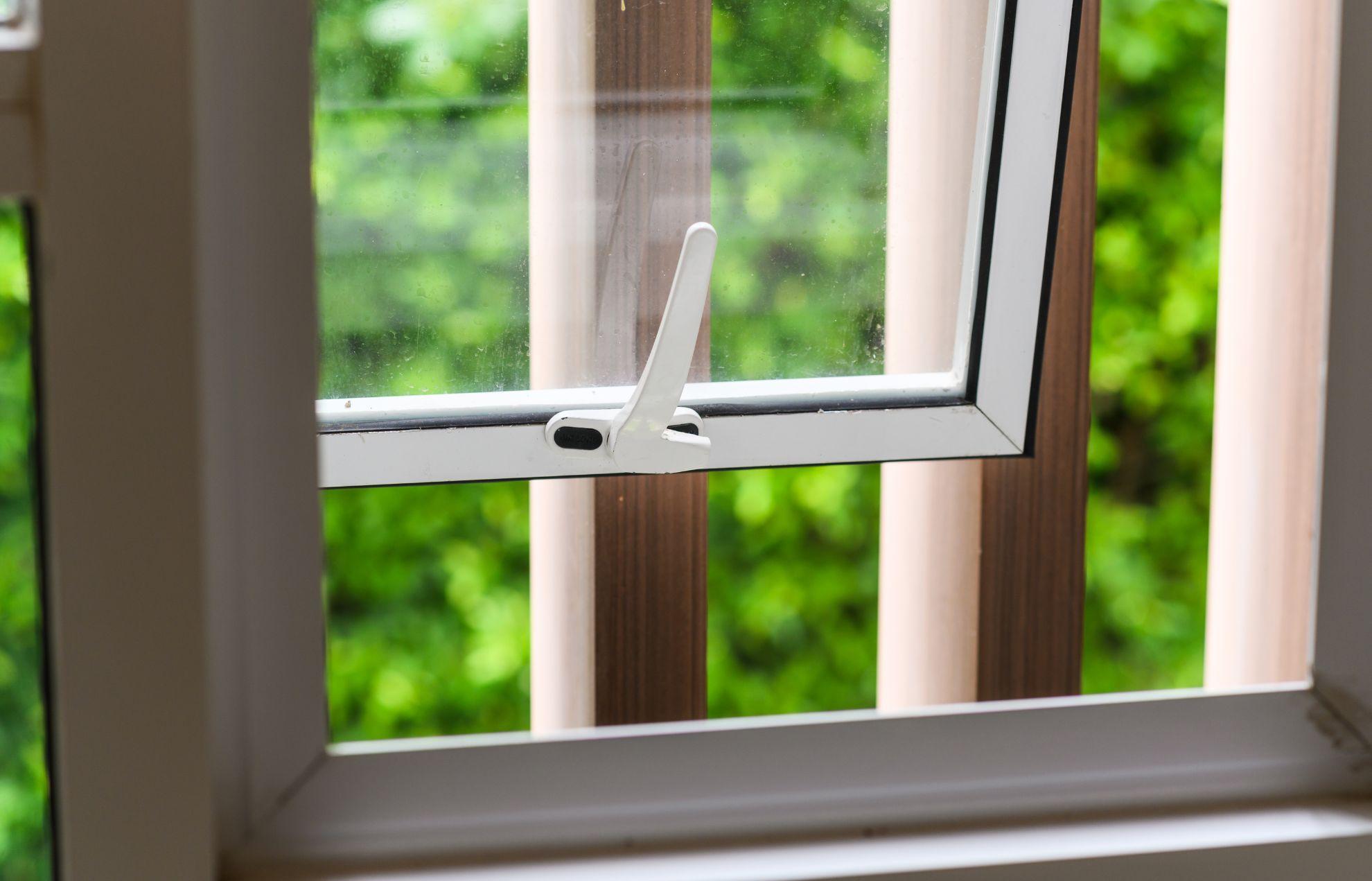
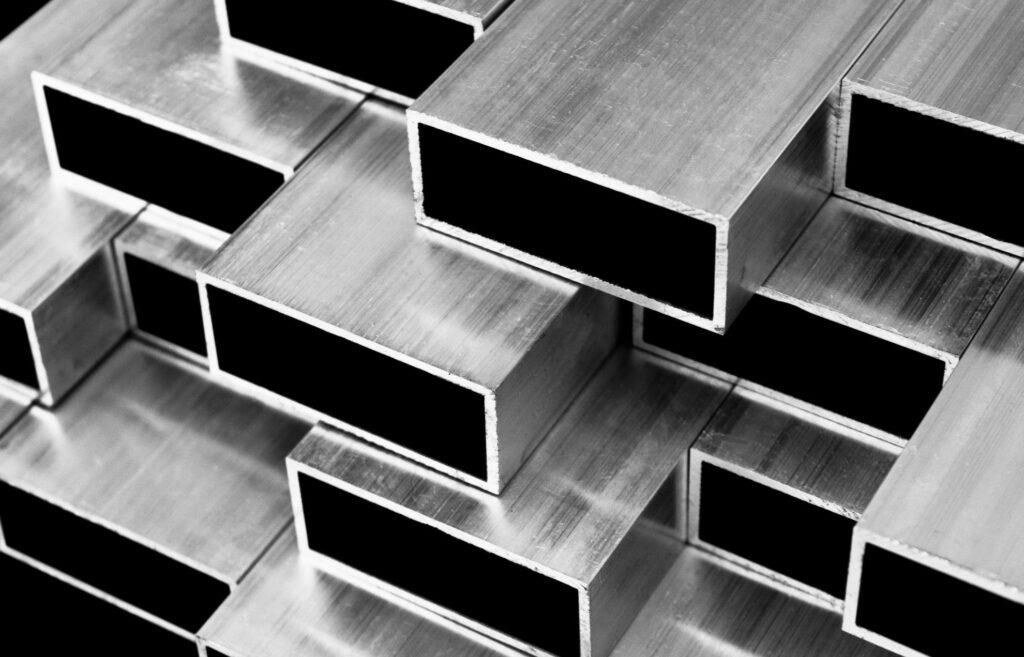
An aluminium window features a frame crafted from aluminium – a lightweight yet incredibly strong metal known for its resilience and sleek appearance. It resists warping, fading, and weathering, making it an ideal choice for the unpredictable British climate.
Because aluminium allows for slimmer frames and larger glass areas, these windows lend a modern, minimalist aesthetic that’s perfect for contemporary homes but also adaptable to more traditional designs.
Why Choose Aluminium Windows?
1. Outstanding Durability and Longevity
Aluminium is naturally robust, providing structural integrity that easily withstands heavy rain, strong winds, and temperature fluctuations.
Unlike traditional timber, it won’t swell, warp, or rot, even after many years of exposure. That durability ensures your investment continues to look and perform like new for decades, offering excellent long-term value for your home.
2. Superior Energy Efficiency
With energy costs steadily rising, homeowners are increasingly conscious of how well their windows insulate. Modern aluminium windows feature advanced thermal break technology – an insulating barrier that reduces heat transfer between the inside and outside of your property.
This means your home stays cooler in the summer and warmer in the winter, helping you maintain a comfortable temperature year-round while reducing heating costs and supporting your commitment to sustainability.
3. Streamlined and Contemporary Design
Aluminium windows are admired for their clean, slender frames and wide glass panes that let natural light flood your living spaces. The effect is open, airy, and timeless, creating a connection between your indoor environment and the outside world.
Whether you lean toward a bold matt black frame for a statement look or subtle metallic tones that blend seamlessly with your façade, aluminium gives you the design flexibility to customise your home’s appearance exactly how you envision it.
4. Low Maintenance and Easy to Clean
Another major advantage is convenience. Aluminium doesn’t require regular repainting, sanding, or varnishing to maintain its finish. A simple wipe-down with a damp cloth now and then keeps your windows looking pristine.
For busy households or commercial premises, this minimal upkeep is a huge plus, freeing up time for the things that matter most.
Environmental Benefits of Aluminium Windows
1. Recyclability and Sustainability
Aluminium is one of the most sustainable building materials available today. It’s 100% recyclable without losing quality, and recycling it uses only around 5% of the energy required to produce new aluminium.
Choosing aluminium windows, therefore, minimises your environmental footprint and supports greener practices within the construction sector.
2. Energy Savings and Reduced Emissions
Because of their excellent insulation and durability, aluminium windows contribute to lowering energy consumption over time. The less energy you use to heat or cool your home, the smaller your carbon footprint becomes.
This not only leads to reduced household bills but also helps protect the environment for future generations.
The Versatility of Aluminium Windows
Few materials are as adaptable as aluminium. From residential homes to modern office developments and public buildings, aluminium windows suit almost any architectural style or purpose.
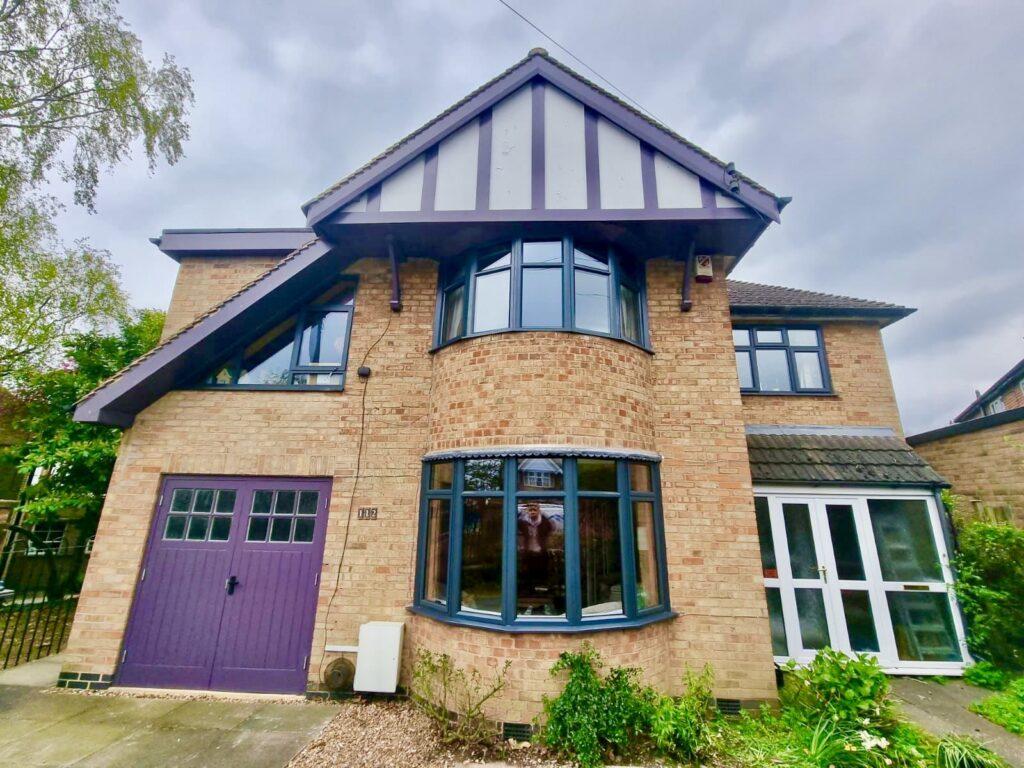
- Residential properties – Aluminium enhances kerb appeal while keeping interiors bright and open. Its ability to mirror any design theme, from sleek contemporary to classic heritage, makes it a favourite among homeowners seeking elegance and practicality.
- Commercial spaces – Businesses benefit from aluminium’s modern aesthetic and tough construction. The slim frames maximise visibility for shopfronts and showrooms, attracting passersby while ensuring safety and long-term durability.
- Institutional buildings – Schools, hospitals, and offices appreciate aluminium’s low maintenance and long service life. It’s a reliable, energy-efficient choice for high-traffic environments that demand consistent performance.
Aluminium Windows vs uPVC – Which Is Better?
Both aluminium and uPVC windows share many positives, including energy efficiency and strong weather performance, but their characteristics appeal to slightly different needs.
uPVC windows are typically more affordable upfront, making them attractive to homeowners working within a set budget.
However, aluminium windows justify their higher price with unmatched strength, slimmer sightlines, and a longer lifespan. They also offer a more premium aesthetic, often associated with high-end or architecturally designed homes.
That said, both materials are low-maintenance, corrosion-resistant, and available in a variety of finishes, including popular options such as bay, sash, and casement designs.
Choosing between the two depends primarily on your priorities, whether that’s long-term durability and modern minimalism or a lower initial cost.
Are Aluminium Windows More Expensive?
In Leicestershire, the cost of aluminium windows tends to be slightly higher than that of uPVC alternatives.
On average, you can expect to pay around £640 per window for aluminium, compared with roughly £550 for uPVC. Prices vary depending on factors like window size, glazing type, and design complexity.
Although the investment is greater initially, aluminium’s resilience, longevity, and visual appeal often make it a more cost-effective choice over time.
Pairing your new frames with double glazing is also highly recommended, as it significantly boosts insulation, comfort, and energy savings.
Lifespan and Long-Term Value
With proper installation and care, aluminium windows can easily last 20 to 40 years or more. Their resistance to corrosion, weather impact, and fading ensures they remain functional and attractive throughout their lifetime.
Periodic cleaning and occasional checks for seal condition are usually all that’s required to maintain their performance.
This exceptional durability means aluminium is a smart, enduring investment that adds value to your property year after year.
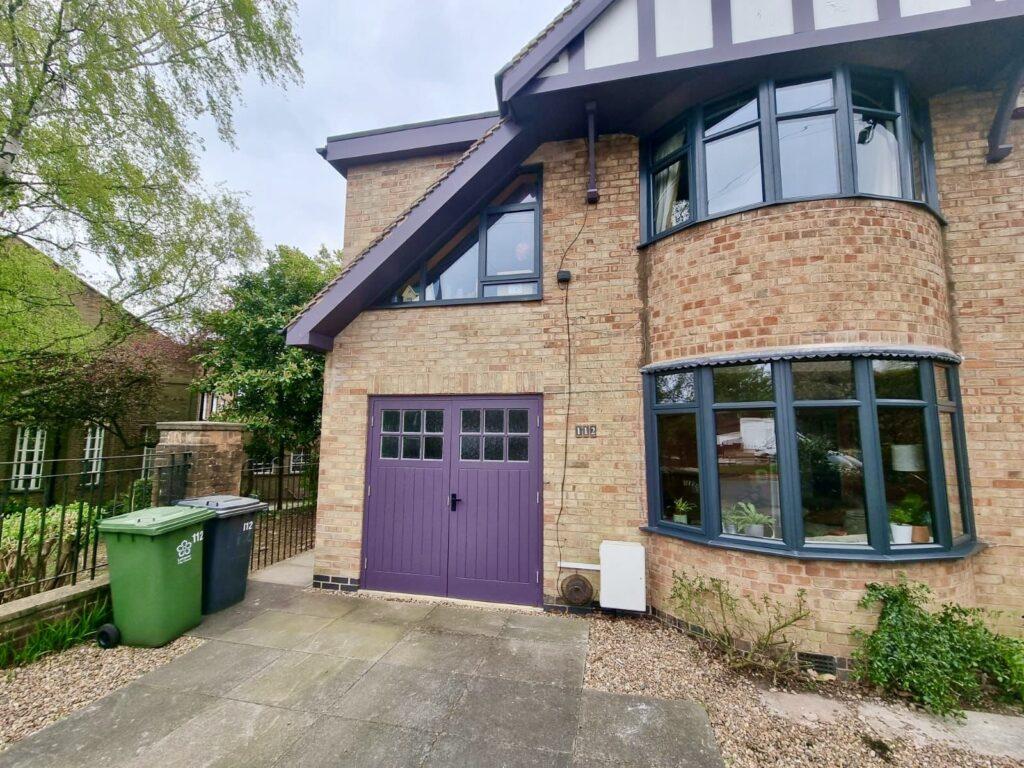
Upgrade With Phair Windows in Leicester
If you’re ready to upgrade your home with high-quality aluminium windows, Phair Windows is here to help. We supply and install made-to-measure aluminium windows across Leicestershire and the East Midlands, combining style, strength, and superior craftsmanship.
Our team provides expert advice, precise fitting, and competitive pricing to ensure long-lasting satisfaction with every installation.
Contact us today for a free, no-obligation quote.
Frequently Asked Questions
Aluminium windows are generally more expensive, with costs 20%–40% higher than uPVC.
uPVC windows are cheaper than aluminium windows. In the UK, expect uPVC at £325–£550 per window (supply & fit), while aluminium ranges from £475–£1,400, typically 25–50% more due to material and manufacturing costs. Long-term, aluminium’s durability narrows the value gap.
Neither aluminium nor uPVC windows are universally “better”. It depends on your priorities. Aluminium excels in durability (40+ years lifespan), slim modern frames for more light, and strength for larger panes, with comparable energy efficiency via thermal breaks. uPVC offers better value upfront (20-30% cheaper), slightly superior natural insulation, and reliable performance for most homes. Choose aluminium for premium aesthetics and longevity and uPVC for budget-friendly efficiency.